
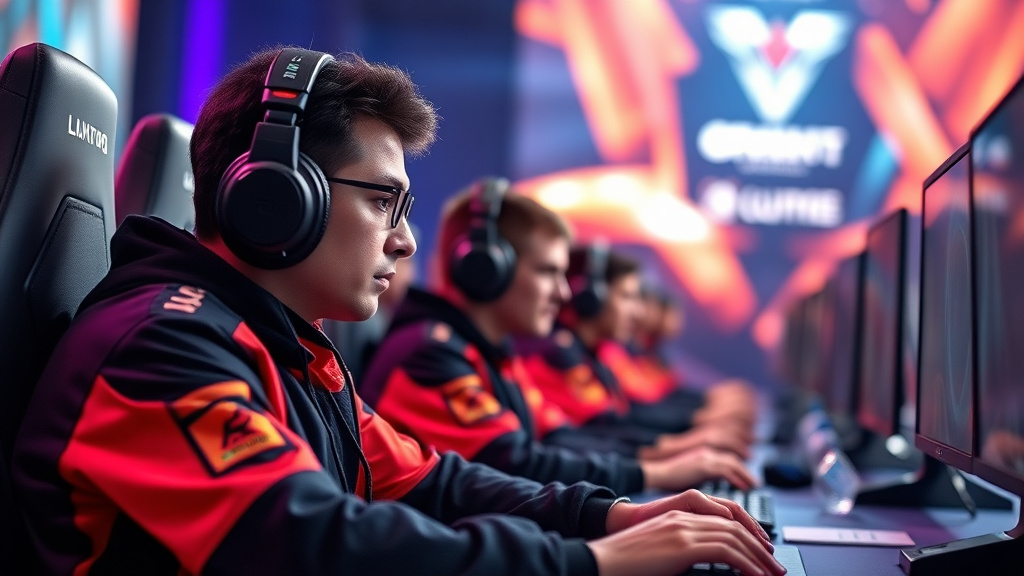
Major League Gaming (MLG) has unveiled a groundbreaking partnership with leading technology companies to transform esports infrastructure worldwide. This key partnership aims to improve streaming capabilities, improve tournament connectivity, and extend competitive gaming access throughout new markets. By harnessing cutting-edge technology and global resources, MLG is positioning itself to establish esports as a mainstream entertainment phenomenon. Discover how these partnerships will transform the competitive gaming landscape and what it means for gamers and enthusiasts globally.
Overview
Major League Gaming’s partnership with tech giants marks a significant turning point for the esports industry. By integrating MLG’s expertise in esports competition with the advanced technology of international powerhouses, this collaboration resolves critical infrastructure challenges that have historically limited esports growth. The initiative emphasizes delivering world-class streaming quality, minimizing connection delays, and guaranteeing stable competition networks across all regions. This collaborative partnership demonstrates the industry’s maturation and dedication to offering professional-standard offerings on par with traditional sports broadcasting standards.
The alliance includes multiple technology sectors, such as cloud computing, networking systems, and content delivery systems. These partnerships permit MLG to roll out cutting-edge tools that support seamless gameplay experiences for professional and casual gamers alike globally. By combining cutting-edge technology platforms, the organization can monitor performance data as they happen and optimize connectivity dynamically. This thorough strategy guarantees that geographic location no longer constitutes a obstacle to competitive involvement, fostering inclusivity across the worldwide gaming sector.
This growth strategy carries substantial impact for esports’ broad adoption and market potential. Enhanced infrastructure attracts premium sponsors, drives funding in professional esports venues, and allows media outlets to provide premium programming to millions of viewers at the same time. The partnership validates esports as a legitimate entertainment sector deserving of significant technology resources and capital. As these enhancements come into play, audiences can anticipate never-before-seen production quality, professional tournament standards, and expanded opportunities for aspiring esports professionals worldwide.
Essential Information
The alliance involves prominent technology providers such as cloud infrastructure companies, telecommunications companies, and content delivery platforms. These partnerships will concentrate on improving MLG’s computing infrastructure across North America, Europe, and Asia-Pacific regions. By pooling resources and knowledge, the partners intend to provide high-speed low-latency connections vital to professional esports competition. This infrastructure expansion represents a major investment in esports technology, with obligations spanning through the following five years and opportunity for extra capital as the project progresses.
Tournament infrastructure upgrades will enable continuous gaming across multiple continents simultaneously. Players and teams will encounter minimized delays and enhanced stability during critical competitions, directly affecting competitive integrity. The tech giants will provide reserved data resources, failover networks, and real-time tracking systems. These improvements significantly help global competitions where competitors engage from various regions. Improved networks also permits MLG to run larger events with more concurrent participants than before achievable, creating new industry standards for esports operations.
Emerging markets will get focused support in this growth strategy. Countries in Southeast Asia, Latin America, and Africa will gain improved gaming infrastructure and tournament access. Local partnerships will establish regional gaming hubs and training facilities, making competitive gaming more accessible. This global approach ensures esports growth extends beyond developed nations, fostering talent discovery worldwide. The initiative also offers training initiatives teaching aspiring players professional gaming fundamentals and career opportunities in the esports industry.
Outlook
The partnership between Major League Gaming and major tech companies marks a pivotal moment for competitive esports. As technological enhancements expand across the globe, we can expect significant increases in competitive event access and broadcast quality. This partnership shows that esports has evolved into a sector deserving of significant business investment, gaining the same technological sophistication traditionally limited to conventional sports media and media industries.
Looking forward, the expanded infrastructure will probably democratize esports participation across regions historically lacking adequate service by high-quality gaming networks. Emerging markets stand to gain considerably from enhanced network infrastructure and tournament infrastructure, potentially nurturing the next generation of world-class competitors. The investment in foundational technology suggests that MLG is positioning for long-term expansion rather than short-term gains, positioning esports for long-term mainstream viability.
As these partnerships mature, the esports ecosystem will experience widespread impacts benefiting players, digital creators, and fans alike. Advanced transmission infrastructure and competitive infrastructure will enhance production standards while minimizing barriers to entry for aspiring professionals. This planned development constitutes a pivotal moment in esports history, where international framework expansion strengthens the industry’s credibility and confirms esports competition maintains its trajectory toward emerging as a pillar of global entertainment.
