
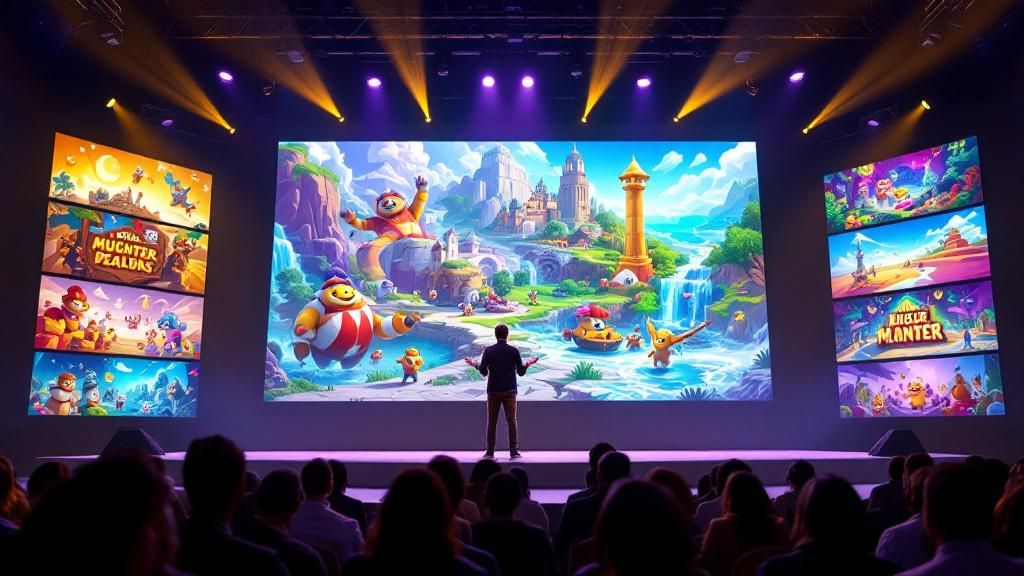
Independent game developers presented their groundbreaking projects to the spotlight at the industry gathering, where titles like Mixtape and Replaced generated buzz with fresh creative visions. The independent section, showcased during the event, illustrated how boutique developers actively challenge artistic and design frontiers in ways that challenge industry conventions. These up-and-coming creators demonstrated that independent projects rival major studio releases in terms of originality and player engagement. The presentations emphasized a increasing shift in the gaming industry: players are actively searching for original content from passionate indie teams willing to embrace experimental approaches. As the conference wrapped up, industry observers remarked that the independent sector continues to be essential to gaming’s evolution, offering audiences diverse narratives and unconventional design approaches that shape the medium’s future.
The Emergence of Independent Game Creation
The gaming landscape has undergone a dramatic transformation throughout the last ten years, with small studios establishing themselves as creative powerhouses transforming the way games are made and experienced. No longer confined to niche markets, indie studios now garner substantial audience attention and critical acclaim, often surpassing larger publishers in inventive approaches and creative direction. The Game Developers Conference acts as a essential space where these talented creators display their creations to key stakeholders and industry colleagues. This prominence has become critical to establishing indie games as a recognized and flourishing sector within the overall gaming landscape.
What sets apart independent developers is their openness to trying unconventional gameplay mechanics, narrative techniques, and artistic styles that major studios might view as financially risky. Unburdened by corporate limitations and investor demands, indie teams can develop passion-driven games that resonate deeply with specific audiences while sometimes reaching broad commercial success. The showcase at GDC showed that quality and originality exceed financial constraints—titles like Mixtape and Replaced demonstrate that compelling experiences emerge from creative ambition rather than development budgets. This democratization of game development has fundamentally altered industry expectations, compelling major publishers to reconsider their approach to innovation and audience connection.
- Independent developers emphasize creative experimentation over mainstream conventions
- Indie games achieve critical success through artistic vision and originality
- Smaller studios foster passionate communities around distinctive gameplay
- Indie industry fuels industry innovation and expands creative boundaries
Prominent Indie Games Making Waves
Mixtape and its Artistic Direction
Mixtape represents a testament to indie developers’ talent for producing emotionally resonant experiences through unconventional design. The game weaves together narrative and gameplay in ways that question traditional storytelling methods, creating an immersive world that prioritizes user autonomy and substantive decisions. Its presentation at GDC garnered substantial recognition from industry professionals who recognized the title’s capacity to shape how independent studios handle creative direction. The developers behind Mixtape show that ambitious creative visions need not rely on massive budgets or established franchises to captivate audiences and gain industry acclaim.
The triumph of Mixtape reflects a larger pattern where indie games place greater value on genuine artistry over commercial appeal. By focusing on what makes their vision unique rather than following commercial trends, the studio created something truly unforgettable. The game’s welcome at the gathering illustrated how players crave content that feels tailored and unique. Mixtape demonstrates that independent developers possess the imaginative confidence to embrace challenges that major publishers often sidestep, resulting in fresh perspectives that enhance the video game industry.
Reimagined: Reimagining Classic Gameplay
Replaced demonstrates how indie creators can revitalize established gaming mechanics through creative visual approaches and deliberate gameplay refinement. The title takes classic systems and transforms them through a unique aesthetic approach and narrative framework that feels thoroughly modern. By respecting the foundations of classic gameplay while introducing meaningful innovations, Replaced demonstrates that nostalgia doesn’t require creative stagnation. The game’s presence at the Game Developers Conference generated discussions about how indie studios can honor gaming history while simultaneously pushing the medium forward in surprising ways.
What makes Replaced especially significant is its equilibrium of accessibility and creative ambition. The design team successfully created a game that attracts players familiar with traditional mechanics while providing enough novelty to engage experienced gamers looking for something different. This strategy exemplifies how indie studios can achieve wide-ranging appeal without undermining their artistic vision or resorting to derivative design. Replaced’s presentation at the conference reinforced the professional consensus that indie developers possess both the technical skill and creative sensibility to produce games that connect with diverse player demographics.
- Indie titles showcase comparable or better quality against big publisher releases
- Creative independence permits developers to explore artistic risks mainstream studios avoid
- Fresh viewpoints from indie teams attract engaged, committed player bases
Platform Support and Developer Prospects
The gaming industry’s commitment to supporting independent developers has become increasingly clear than at major conferences like GDC, where platform holders regularly highlight indie talent in conjunction with blockbuster releases. Xbox, PlayStation, and Nintendo have all established extensive initiatives created to minimize barriers to entry for small studios, offering development kits, marketing resources, and straightforward pathways to publishing infrastructure. These efforts recognize that independent developers serve as a essential source of innovation within gaming, equipped to create novel gaming experiences that engage audiences worldwide. By funding indie ecosystems, major platforms maintain a reliable supply of varied quality offerings that keeps their audiences involved and demonstrates their commitment to promoting creative development across the industry.
Beyond conventional publishing support, digital storefronts and subscription services have fundamentally transformed opportunities for indie creators. Platforms now actively curate indie selections, highlighting exceptional games prominently to ensure visibility in crowded marketplaces. This opening up of access means that talented developers can succeed without massive marketing budgets or existing industry relationships to reach millions of potential players. Conference appearances like those at GDC offer crucial networking opportunities, allowing indie creators to connect with platform representatives, investors, and fellow developers. These connections often result in tangible support—from featuring opportunities to funding support—that enable small teams to continue creating ambitious games without budgetary constraints.
| Support Type | Developer Benefit |
|---|---|
| Development Kits and Tools | Access to official SDKs and engines at reduced or no cost, accelerating development timelines |
| Marketing and Visibility | Featured placement on digital storefronts and conference showcases, reaching millions of potential players |
| Financial Grants and Funding | Direct investment programs and publishing partnerships that reduce financial risk for small studios |
| Networking and Mentorship | Direct connections with industry professionals, investors, and experienced developers for guidance and collaboration |
What’s Coming for Independent Games
The momentum building around solo studios at prominent gaming expos suggests a promising trajectory for the gaming landscape ahead. As platforms continue investing in independent game development and development resources grow more available, indie teams are equipped to pursue larger-scale games than ever before. The strong performance of creator-focused conferences demonstrates that audiences hunger for innovative game concepts that push back against industry standards. This rising awareness generates a self-reinforcing dynamic: acclaimed smaller studio releases attract more investment, which empowers creators to pursue bolder artistic visions, ultimately delivering the forward-thinking experiences that sustain gamer enthusiasm and enthusiastic toward gaming’s future.
Looking ahead, the convergence of enhanced development resources, greater investment options, and dedicated platform support suggests indie games will take on a more prominent position in influencing how games are perceived. As big studios face mounting pressure to innovate, they’re looking to indie developers for original concepts. This partnership dynamic—where creative independence meets major studio backing—has the potential to raise standards across the board. Emerging technologies like game streaming and AI-assisted development tools will continue to make more accessible game creation, making it possible for even modest-sized studios to produce polished, high-quality experiences. The upcoming indie creator community is prepared to challenge established conventions and reshape gaming’s potential.
- Enhanced development tools democratizing game creation for independent developers
- Growing publishing and funding partnerships minimizing financial barriers to entry
- Rising consumer interest for diverse, innovative gaming experiences
- New technologies making possible large-scale ventures from limited staff
- Greater industry recognition of indie creative work’s market and cultural value
