
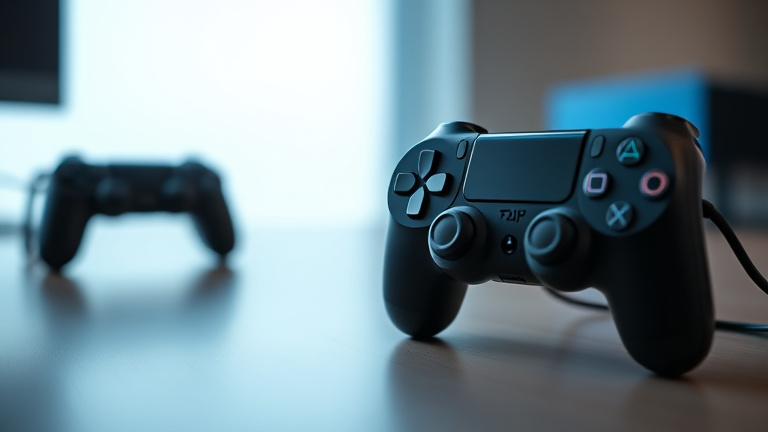
Is lag hampering your gaming experience? A weak PlayStation Network connection can mean the distinction between victory and defeat in competitive gaming. Whether you’re competing against online players or broadcasting gameplay, improving your network performance is essential for optimal results. This guide uncovers actionable techniques to enhance your PSN speed, minimize delays, and remove lag issues. From simple router adjustments to sophisticated network setups, discover how to enhance your gaming and beat the competition.
Test Your Present Internet Speed
Before putting into practice any performance improvements, you need to establish a baseline understanding of your existing connection quality. PlayStation consoles include a native performance testing tool that assesses your connection speed and stability. Reach this feature by selecting Settings, then Network, and choosing Test Internet Connection. This assessment will reveal your data transfer rate, outbound velocity, and NAT type, delivering essential metrics to measure your present operational efficiency and detect likely limitations affecting your gaming experience.
Analyzing your connection speed measurements is fundamental to troubleshooting connection issues properly. Download rates exceeding 35 Mbps are generally sufficient for seamless gameplay, while upload speeds of a minimum of 5 Mbps prevent lag during competitive gaming. Your NAT type plays a crucial role; Type 1 or 2 suggests ideal connection quality, while Type 3 suggests likely connection difficulties. Record these baseline measurements before implementing modifications, letting you precisely track performance gains and ensure that your performance improvements are delivering tangible results for improved gaming experience.
Improve Your Router Placement and Settings
Strategic Router Positioning
Your router’s position substantially influences your PlayStation Network connection quality. Set up your router in a central, elevated location within your home to maximize signal strength and limit signal interference. Keep it separated from walls, metal objects, and other devices like microwave ovens and wireless phones that can interfere with signals. Ideally, mount your router at shoulder height or higher, ensuring a clear unobstructed view between the router and your gaming system for optimal performance.
Adjust Router Settings for Gaming
Access your router’s control interface to configure settings particularly for gaming speed. Enable QoS features to give gaming priority and reduce bandwidth usage from other devices. Update your router’s firmware regularly to ensure you have the most recent speed enhancements and security patches. Consider selecting a less congested WiFi band, especially you live in an region with numerous surrounding networks that might lead to interference.
Wired Connection Benefits
While WiFi offers convenience, a wired Ethernet connection connected to your PlayStation provides superior stability and lower latency. If possible, run an Ethernet cable from your router to your gaming console for the most reliable connection. This wired setup eliminates wireless interference and packet loss, providing the fastest, most consistent gaming experience possible.
Set up Your PlayStation Network Settings
Your PlayStation console’s network configuration prove critical in affecting connectivity performance and in-game performance. By adjusting these parameters, you can realize substantial enhancements in responsiveness and consistency. Access the Settings menu on your PlayStation 5 or PlayStation 4, go to Network, and review your present connectivity status. This resource helps you with important changes that will improve your PSN experience and decrease lag in-game.
Begin by checking your existing network speed through the built-in connection test feature located in your device’s network configuration. This diagnostic tool measures your download rate, upload rate, and NAT type—vital indicators for multiplayer play. Compare your results against PlayStation’s recommended speeds: a minimum of 5 Mbps for multiplayer gaming and 35 Mbps for ultra HD streaming. Once you understand your performance baseline, you can apply focused optimizations to attain peak gaming experience.
High-Level Performance Techniques
Beyond fundamental optimization, consider implementing Quality of Service (QoS) settings on your router to give priority to gaming data. This sophisticated capability allocates bandwidth specifically for your PlayStation, guaranteeing other devices downloading data or streaming content won’t interfere with your gaming activities. Additionally, activating UPnP (Universal Plug and Play) on your router can set up automatically port forwarding, further reducing connection lag and improving overall network stability for competitive online play.
For serious gamers looking for optimal speed, check out your ISP’s performance-oriented packages or consider upgrading to a Wi-Fi 6 router that provides quicker connections and reduced lag. Periodically review your network performance using built-in PSN diagnostics and external speed test applications to pinpoint issues. To wrap up, maintain current firmware versions and periodically reset your connection configuration to clear cached data, guaranteeing your system keeps peak connection quality for the best gaming performance.
