
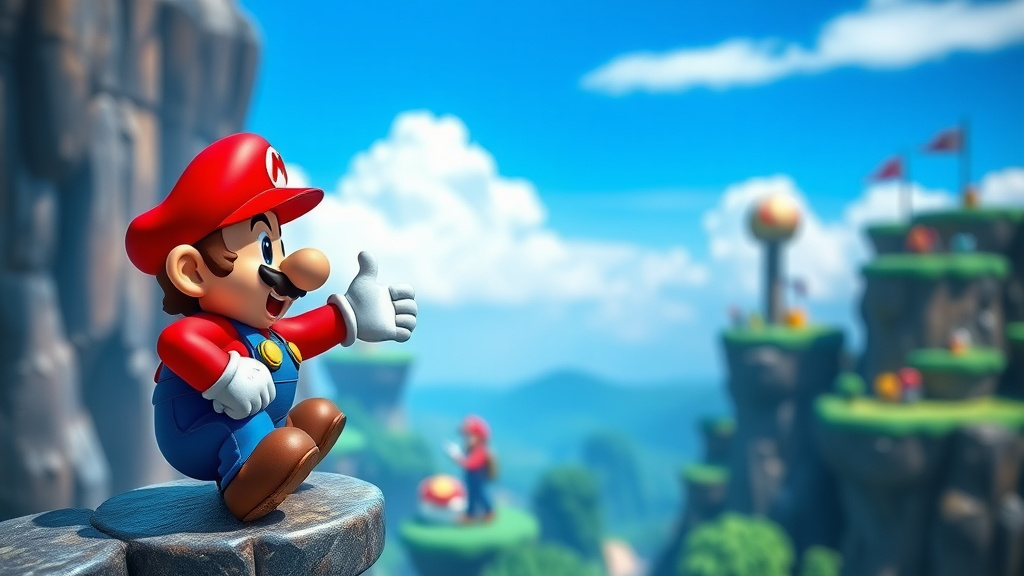
The iconic Mario Kart franchise is moving into competitive gaming’s mainstream with an groundbreaking expansion into professional esports. Nintendo has announced a landmark tournament series that propels the popular racing title from recreational gaming to legitimate professional competition, complete with substantial prize pools and sponsorship opportunities. This calculated step signals the evolution of gaming and acknowledges Mario Kart’s international reach. Discover how this expansion reshapes professional gaming, attracts top-tier talent, and what it means for esports’ trajectory.
Expansion of Professional Mario Kart Gaming
Mario Kart has undergone significant growth across the esports sector throughout the last ten years. What started with informal grassroots events and grassroots competitions has evolved into a complex competitive structure. The game’s approachability paired with its strategic depth has drawn countless of competitors globally, creating a substantial talent pool of talented players. Online platforms and streaming services have increased exposure, allowing players to showcase their abilities globally and build loyal followings. This natural expansion laid the essential foundation for Nintendo’s decision to formalize professional competition through an official tournament series.
The entry into professional esports represents a natural progression for Mario Kart’s competitive community. Players have clearly proven the game’s ability to compete through creative approaches, precise mechanics, and exciting displays at different competitive events. The introduction of consistent rule sets, formal acknowledgment, and professional infrastructure affirms decades of community dedication. This formalization draws in sponsorships, media coverage, and investment from leading esports companies, converting Mario Kart from a limited competitive scene into widely accessible entertainment. The competitive tournament circuit capitalizes on current growth while establishing routes for up-and-coming gamers to pursue gaming as a sustainable profession.
Professional League Structure and Format
The recently created Mario Kart Professional League (MKPL) adopts a multi-tiered competitive structure created to support players of varying skill levels while maintaining championship excellence. The league features regional competitions across North America, Europe, and Asia-Pacific, with teams taking part in seasonal formats spanning eight months. Each division organizes weekly matches using uniform rulesets and official tracks, ensuring competitive integrity. Top-performing teams progress through playoffs toward the global championship finals, where international competitors compete for the ultimate prize.
Teams consist of four players participating in squad-based tournaments with rotating driver selections and tactical vehicle setups. Match formats include traditional Grand Prix races, time-trial challenges, and elimination-style competitions that test both individual skill and team coordination. The league implements advanced anti-cheat technology and real-time spectator analytics, delivering transparent gameplay data for fans and analysts. Broadcasting partnerships with major esports platforms ensure global accessibility, with matches streamed simultaneously across multiple regions to serve international audiences and increase viewer participation.
Prize allocation reflects the league’s professional ambitions, with yearly championship prize pools topping five million dollars. Regional competitions provide qualifying points toward global rankings, while sponsorship deals attract leading brands looking for esports audience engagement. The MKPL’s framework creates long-term career opportunities for pro players, supporting compensation, practice facilities, and competitive infrastructure development throughout the esports landscape.
Influence on the Gaming Community and Player Base
The growth of Mario Kart into professional esports represents a pivotal shift for the gaming community. Recreational players now witness their favorite game brought to competitive prominence, encouraging millions to improve their abilities and pursue gaming professionally. This transition confirms Mario Kart’s esports viability and fosters wider engagement across every skill tier. The tournament series opens up aspirational pathways for new competitors, making esports more accessible past established esports genres, in the end strengthening the gaming landscape with renewed competitive spirit and fresh excitement.
Professional players benefit significantly from this expansion through increased earning potential, sponsorship deals, and widespread acknowledgment. The structured tournament format provides transparent advancement pathways and economic security not accessible before to Mario Kart competitors. Additionally, the professional framework attracts investment in athlete advancement, coaching, and practice venues purpose-built for racing esports. This professionalization improves skill levels while building sustainable careers for talented individuals, positioning Mario Kart as a recognized competitive sport alongside proven franchises and creating sustained expansion prospects for dedicated competitors.
Future Prospects and International Growth
The Mario Kart professional esports circuit is positioned for exponential growth in the years ahead. Industry experts forecast that the competitive circuit will grow to encompass new markets across Asia, Europe, and South America, creating a international gaming landscape. With Nintendo’s backing and increasing media industry coverage, the franchise is drawing significant investment from major sponsors and streaming platforms. This development promises to increase athlete payouts, strengthen competitive standards caliber, and cement Mario Kart as a pillar of esports landscape worldwide.
Looking ahead, the merging of advanced technologies such as VR and advanced analytics will revolutionize how Mario Kart tournaments are viewed and evaluated. Organizers are investigating new competitive structures that combine classic racing elements with novel competitive aspects, preserving the esports scene fresh and engaging. As the player population grows more diverse, with increased amateur participation seeking professional opportunities, the franchise is anticipated to create comprehensive training programs and player advancement routes. This integrated method ensures long-term expansion and solidifies Mario Kart’s position as a transformative force in esports.
