
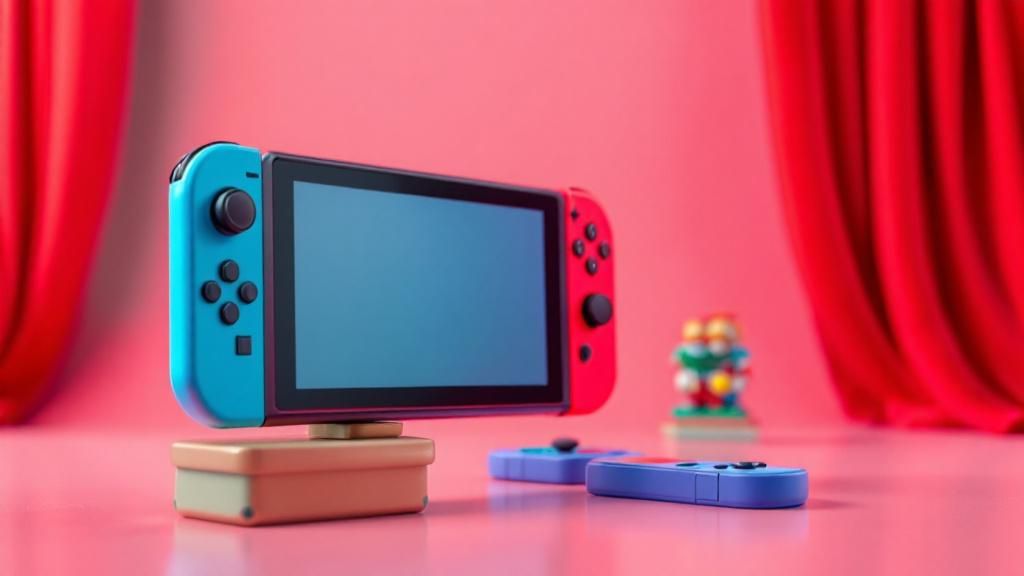
Nintendo Files Suit Against American Tariff Regulations
Nintendo has initiated proceedings against the U.S. government contesting tariff policies implemented under the Trump administration, representing a significant escalation in the gaming industry’s resistance to trade restrictions. The court filing, filed in March 2026, constitutes one of the most significant corporate objections to the tariffs affecting consumer electronics and overseas merchandise. The Japanese gaming giant argues that the tariffs negatively affect its commercial activities and ultimately hurt American consumers through price increases on Nintendo products. The lawsuit demonstrates increasing dissatisfaction among major tech and entertainment companies over trade policies they claim are financially harmful and lack proper justification for the gaming sector specifically.
The Trade War Starts
Nintendo’s decision to pursue lawsuits against the U.S. government represents a pivotal turning point for the gaming industry’s approach toward trade tariffs. The company’s lawsuit challenges the constitutional and economic foundation of tariffs that have been applied broadly to electronics imports, arguing that the measures disproportionately affect the gaming sector without legitimate national security rationales. Nintendo contends that these tariffs force the company to either bear substantial expenses or transfer them to American customers, establishing an unsustainable position that weakens fair market competition and dynamics in the entertainment industry.
The strategic timing of Nintendo’s lawsuit is notably important, happening as other major technology companies have commenced raising comparable worries about tariff barriers. Market analysts suggest that Nintendo’s readiness to contest the tariffs in court may inspire other gaming and electronics manufacturers to launch their own court actions. The case is projected to create significant legal standards about state authority to impose expansive tariffs on retail products and may shape the way future trade disputes are resolved involving technology firms and federal bodies.
- Nintendo contests tariffs lack proper justification for the gaming sector.
- Company contends tariffs harm American shoppers through price increases.
- Lawsuit could inspire other tech companies to take legal action.
- Case may create significant precedents for subsequent trade disagreements.
Impact on Gaming Equipment as well as Consumers
The tariff dispute has major implications for the gaming hardware market and the millions of American consumers who purchase Nintendo products each year. If the tariffs stay unchanged, Nintendo experiences increased pressure to modify its pricing approach, potentially making gaming consoles and accessories more expensive for everyday consumers. The company’s court action reflects concerns that present tariff regulations create unfair market conditions, where U.S.-based makers and overseas firms face distinct financial burdens. Industry analysts warn that extended tariff instability could interrupt product distribution and delay the release of fresh gaming equipment that American gamers have been anticipating.
Beyond Nintendo’s direct business interests, the lawsuit highlights broader questions about how tariff policies affect consumer choice and innovation in the entertainment sector. Gaming enthusiasts worry that increased costs could exclude younger players and price-sensitive families from obtaining Nintendo’s comprehensive catalog of games and hardware. The company argues that tariffs on electronics imports were designed primarily with manufacturing products in mind, not consumer entertainment products that represent a vital part of American culture and entertainment and recreation. Nintendo’s legal action seeks to clarify the distinction between warranted trade safeguards and excessively wide-reaching rules that inadvertently harm consumer-facing industries.
Price Hikes at Risk
Nintendo has warned that sustained tariffs could require the company to boost pricing on Switch consoles, games, and accessories within the American market. Current tariff rates have raised the cost of bringing in gaming hardware, pressuring Nintendo’s profit margins and presenting difficult decisions about pricing strategy. The company confronts a dilemma: bear the tariff costs and cut into profitability, or pass expenses to consumers and risk surrendering sales to competitors. Nintendo’s lawsuit specifically questions whether these cost increases serve any genuine public benefit or simply strain American families seeking affordable entertainment options.
Retail analysts forecast that even modest price increases could significantly impact Nintendo’s sales in the highly competitive gaming market. Consumers already face numerous entertainment options, and price sensitivity remains a crucial factor in purchasing decisions for gaming hardware. If Nintendo is forced to raise prices while competitors gain from different tariff treatments, the company could forfeit valuable market position. The lawsuit argues that the tariff structure unfairly disadvantages Nintendo compared to other electronics manufacturers and ultimately harms the American gaming ecosystem by making products less available to consumers across all income levels.
- Tariffs could force Nintendo to raise console and game prices substantially.
- Price hikes may reduce consumer availability to gaming products across the country.
- Competitors could obtain an edge if tariffs imposed inconsistently across industry.
- Sustained tariffs jeopardize Nintendo’s competitive position and profit margins.
Nintendo’s Lawful Positions
Nintendo’s legal challenge focuses on the claim that the current tariff system violates established trade law standards and disproportionately affects consumer electronics manufacturers without serving legitimate security-related interests. The corporation contends that gaming equipment and software do not fall into categories needing protection under national defense requirements, yet face the same punitive tariff rates as goods with genuine strategic importance. Nintendo contends that the tariffs constitute an overreach of executive authority and do not meet the legal threshold for warranted trade limitations. The legal action seeks to establish that across-the-board tariffs on consumer products surpass the bounds of allowable trade policy and represent an arbitrary burden on American businesses and consumers.
Additionally, Nintendo argues that the tariff policy lacks a clear rationale and transparency, applying uniform rates across diverse product categories without considering impacts unique to different industries. The company emphasizes that gaming is a established and significant segment of the American economy, producing billions in revenue annually and supporting extensive job creation in retail, distribution, and content creation. Nintendo’s legal team contends that imposing duties on entertainment items to the same tariff treatment as industrial equipment and national defense items demonstrates regulatory overreach. The lawsuit requests court review of the tariff classifications and seeks exemptions or reduced rates for electronic consumer goods that lack any connection to national security concerns.
| Argument | Details |
|---|---|
| Lack of National Security Basis | Gaming hardware poses no legitimate threat to national defense and should not face tariffs designed for strategic industries. |
| Arbitrary Classification | Tariffs apply uniformly across unrelated product categories without rational justification or industry-specific analysis. |
| Economic Harm to Consumers | Tariffs increase prices on affordable entertainment, reducing access for American families across all income levels. |
| Competitive Disadvantage | Inconsistent tariff application disadvantages Nintendo compared to other electronics manufacturers and competitors. |
Manufacturing Chain Concerns
Nintendo’s legal arguments also underscore disruptions to the international production networks that serve American retail and consumer markets. The company operates production facilities and logistics infrastructure across multiple countries, and duties on foreign parts raise expenses throughout the full distribution system. Nintendo argues that these tariffs effectively penalize American retailers and consumers for purchasing products manufactured according to international trade standards. The lawsuit asserts that supply chain efficiency benefits American workers and businesses, and tariffs that interfere with these systems ultimately harm the domestic economy rather than safeguard it.
Additionally, Nintendo points out that the gaming industry relies on intricate global partnerships for parts procurement, code creation, and logistics. Tariffs produce uncertainty and inefficiency throughout these networks, compelling companies to consider different sourcing options or absorb increased costs. Nintendo argues that this disruption conflicts with stated policy goals of promoting American economic expansion and competitiveness. The company’s legal team underscores that manufacturing partnerships with countries like Japan and South Korea reflect mutually beneficial trade relationships that reinforce both economies and ought not to be undermined by broad tariff policies without specific strategic justification.
Sector Reaction and Wider Impact
Nintendo’s lawsuit has echoed through the consumer electronics and gaming sectors, with other prominent manufacturers experiencing equivalent tariff challenges watching closely. The case represents a major test to the government’s tariff approach, potentially setting precedent for how courts determine tariffs on consumer goods. Industry analysts suggest that a ruling in Nintendo’s favor could encourage other corporations to pursue legal challenges, while a government victory would likely strengthen the administration’s tariff authority. The lawsuit emphasizes mounting friction between trade protectionism and the integrated worldwide supply networks that modern manufacturing depends upon.
Beyond the video game industry, Nintendo’s lawsuit carries consequences across the wider retail and consumer electronics landscape. Companies bringing in smartphones, laptops, televisions, and other goods face comparable tariff burdens that in the end raise costs for American consumers. Trade associations representing manufacturers and retailers have voiced concerns that uncontrolled tariffs could trigger retaliatory measures from trading partners, potentially disrupting global trade. The outcome of Nintendo’s lawsuit may shape how policymakers weigh protectionist goals with consumer welfare and economic competitiveness in an more globalized marketplace.
- Entertainment sector competitors tracking legal proceedings for landmark implications and potential cost relief strategies
- Retail businesses tracking tariff impacts on consumer pricing and purchasing power across entertainment sectors
- Trade stakeholders evaluating retaliatory actions if tariffs remain unchanged or expand further
- Consumer rights organizations highlighting cost concerns and access to entertainment products for low-income families
- Government officials reassessing tariff approaches amid legal challenges disputing economic justification and implementation methodology
The Next Steps
Nintendo’s lawsuit will probably advance through federal court, with initial motions and discovery proceedings expected in coming months. The case will demand the government to justify its tariff classifications and show how the measures serve valid trade protection goals. Law experts anticipate arguments centered on constitutional authority, administrative procedure adherence, and whether tariffs satisfy standards for reasonable trade regulation. The resolution timeline could extend well into 2027, causing Nintendo and other impacted companies operating under current tariff structures throughout the litigation.
Meanwhile, sector experts expect further legal challenges from other leading tech producers and vendors contesting different components of the tariff framework. Lawmakers’ conversations about trade policy may grow more heated as companies mobilize advocacy campaigns and trade associations advocate for tariff changes or exclusions. The larger issue of whether tariffs accomplish their intended economic goals will likely dominate debate, with Nintendo’s court filings offering substantive evidence to active policy conversations about balancing protectionism with consumer benefit and worldwide competitive advantage.
