
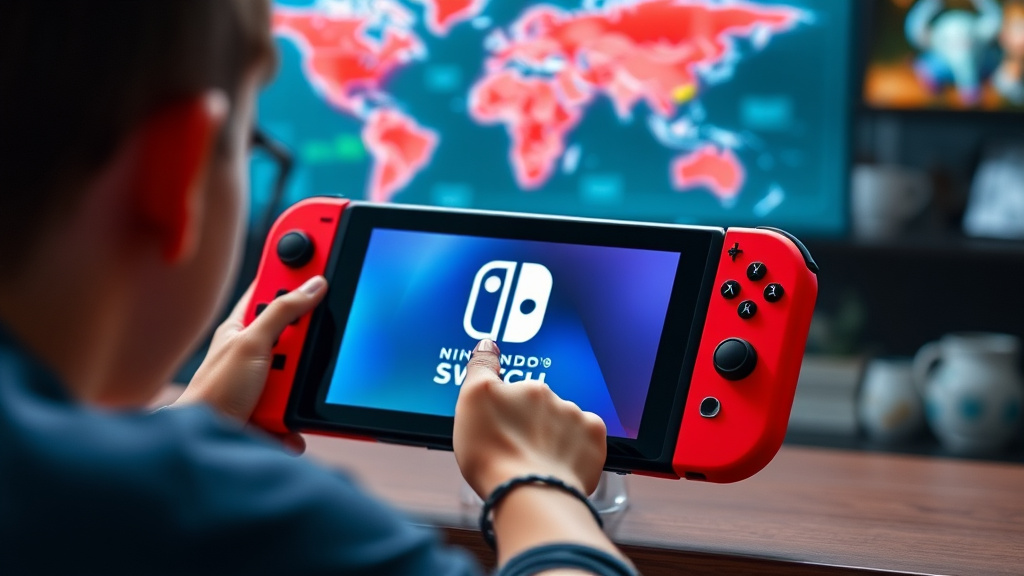
Since its revolutionary launch in 2017, the Nintendo Switch has exceeded industry expectations, becoming a cultural sensation that continues to engage gamers worldwide. With hybrid gaming capabilities and an impressive library of exclusive titles, the console has sustained remarkable sales growth year after year. This article examines the factors driving the Nintendo Switch’s sustained commercial success, reviews recent sales figures, and examines how it stacks up against other major gaming platforms in an increasingly crowded market.
Sales Performance and Sales Figures
The Nintendo Switch has shown exceptional market success since its 2017 launch, regularly outpacing market forecasts. Recent financial reports indicate total unit sales exceeding 139 million units worldwide, establishing its position as one of the highest-selling gaming consoles in history. This remarkable achievement reflects the console’s broad appeal across different player segments, from informal gamers to hardcore gaming enthusiasts. The continuous consumer interest has resulted in substantial revenue generation for Nintendo, making a substantial contribution to the company’s overall financial growth and market valuation.
Regional sales data demonstrates particularly strong performance in key markets, with North America and Europe driving substantial purchasing volumes. Japan maintains its traditional strength as a vital region, where Nintendo’s domestic appeal remains exceptionally strong. Asia-Pacific regions have emerged as increasingly important contributors to overall sales growth, reflecting expanding gaming populations and rising disposable incomes. The geographic diversity of Switch sales demonstrates the console’s universal appeal and Nintendo’s successful global marketing strategies, enabling steady income flows across multiple continents and economic conditions.
Year-over-year sales comparisons show resilience and growth momentum, particularly following the launch of revised console models and new software releases. The Nintendo Switch Lite and Switch OLED variants broadened the potential customer base by offering varied pricing options and capabilities. Software titles continue driving hardware adoption, with blockbuster releases generating substantial sales surges. This symbiotic relationship between hardware and software ensures ongoing player engagement and maintains the console’s competitive position against rival platforms in the fast-moving video game market.
Worldwide Growth and Local Market Achievement
The Nintendo Switch’s global appeal goes well past its original Japanese and North American territories, establishing strong footholds across Europe, Asia, and growth markets around the world. Nintendo’s strategic partnerships with area-based retailers and digital channels have facilitated widespread accessibility, allowing the system to reach diverse gaming communities. Localization initiatives, such as region-specific game selections and promotional strategies, have appealed to culturally distinct audiences. This wide-reaching initiative has turned the Switch into a truly international phenomenon, with revenue numbers reflecting continuous expansion across most significant geographic markets during multiple fiscal years in a row.
Regional achievement measures show particularly strong results in specific territories, with Japan sustaining solid home market performance while European markets have emerged as major expansion opportunities. The console’s versatility appeals to different gaming tastes across regions, from leisure-focused users in developing markets to serious players in established gaming nations. Nintendo’s ability to adapt its game plan to local market demands—whether through game selection, pricing adjustments, or promotional strategy—has proven instrumental in maintaining market leadership. This sophisticated strategy to international growth reinforces the Nintendo Switch as a market leader in global gaming console markets.
Key Factors Fueling Consumer Demand
The Nintendo Switch’s ongoing sales success originates from multiple interconnected factors that connect with varied player audiences. The console’s unique dual-mode design allows smooth switching between mobile and home gaming, addressing the evolving preferences of today’s audiences. Additionally, Nintendo’s regular launch of blockbuster exclusive titles, including Super Mario, The Legend of Zelda, and Crossing franchise franchises, maintains strong appeal across audience segments. The affordable price point compared to other platforms, combined with an extensive back-catalog of games, offers attractive benefits for both new and returning customers seeking quality entertainment.
- Hybrid gaming design offers unparalleled portability and adaptability.
- Nintendo’s exclusive franchises deliver exceptional quality and innovation.
- Affordable pricing appeals to price-sensitive gamers across the world.
- Active online community fosters community engagement and brand devotion.
- Regular software updates strengthen overall experience regularly.
Market research indicates that consumer satisfaction remains exceptionally high, with the Nintendo Switch boasting impressive retention rates among existing players. The platform’s appeal across casual and hardcore gamers alike has expanded its audience significantly. Furthermore, Nintendo’s strategic approach to game releases, providing content spanning various genres, guarantees continued consumer interest throughout each fiscal year. This multifaceted strategy illustrates why the Nintendo Switch remains a dominant force in the global gaming industry.
