
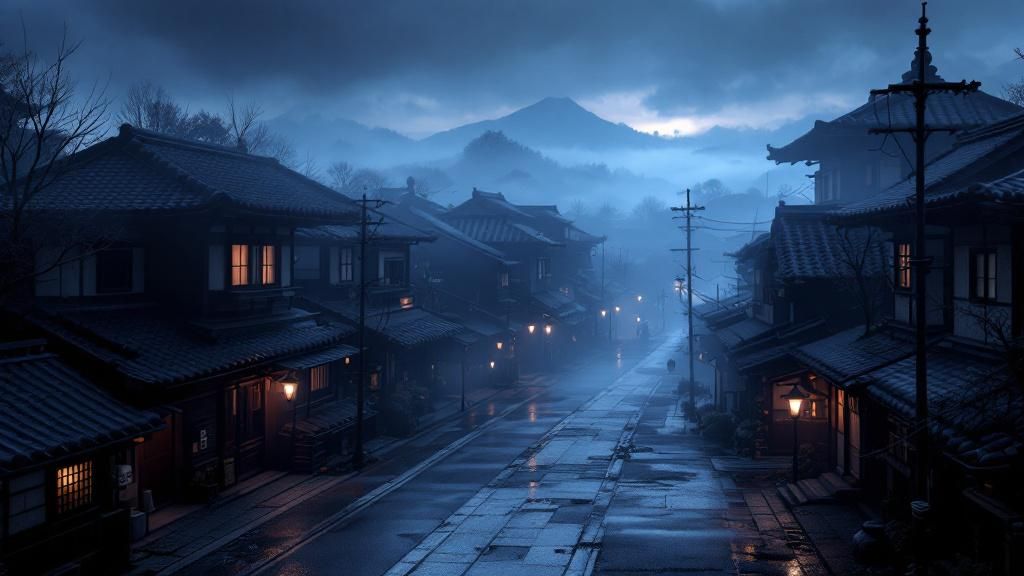
Team Ninja has undertaken an comprehensive overhaul of one of the horror gaming most celebrated titles, bringing Fatal Frame II: Crimson Butterfly into the modern era with a full-scale remake that resolves the technical and design constraints of the original 2003 release. Directors Hidehiko Nakajima and Makoto Shibata have directed a thorough redesign showcasing improved visuals, immersive sound design, and a rebuilt camera system designed for contemporary players. The remake, currently available on Xbox Series X|S with a playable demo, represents the studio’s largest project in the Japanese horror series in years. Discussing the project, the directors explained how audience demand and the franchise’s lasting legacy prompted them to select Crimson Butterfly for this full-scale revival.
From Nostalgia to Necessity: Why Crimson Butterfly Demanded a Remake
When Team Ninja started planning its upcoming projects, the Fatal Frame series inevitably emerged in conversations, but one title dominated the conversation. Crimson Butterfly became the most highly sought-after game from players, a distinction that reflected both its iconic standing amongst longtime devotees and surprising name recognition amongst those who had never experienced it directly. This dual appeal—cherished amongst series veterans whilst staying fascinatingly enigmatic to newcomers—made it the obvious candidate for a full remake rather than a simple remaster.
Yet nostalgia by itself would not have warranted such an ambitious undertaking. The directors recognised that despite favourable response for recent remasters, the Fatal Frame series carried significant issues: heavy, cumbersome controls and game design conventions that felt distinctly dated to modern audiences. By fully reimagining Crimson Butterfly rather than simply refining the original, Team Ninja could eliminate these outdated impressions entirely and craft an experience specifically designed for modern horror fans accustomed to considerably more advanced titles.
- Crimson Butterfly was the most commonly requested title from players.
- The game had considerable recognition particularly amongst players unfamiliar with the series.
- The original controls and game design were considered problematic and out of date.
- A complete remake could resolve constraints that remasters could not address.
Reframing Fear: The Creative and Technical Difficulties
Camera Work and Player Immersion
One of the most considerable deviations in the original design centred on the camera system itself. The 2003 version switched between fixed, third-person angles and first-person perspective when using the Camera Obscura, a mechanic that, whilst atmospheric, generated jarring transitions for modern players. The remake implements a unified third-person view throughout navigation, removing these disorienting shifts and creating a more cohesive sense of presence within the haunted environments. This decision fundamentally reshapes how players interact with the game world, fostering greater immersion through consistency.
By maintaining a continuous third-person perspective, Team Ninja guarantees that players remain perpetually aware of their character’s bodily form and vulnerability within the nightmarish landscape. This method conforms to contemporary horror gaming standards, where spatial awareness and spatial orientation prove crucial to mental unease. The dynamic camera setup grants players increased command over their viewpoint, allowing them to explore their surroundings more naturally whilst creating tension through what they discover rather than what the game automatically shows through static viewpoints.
Movement and Control Philosophy
Team Ninja’s considerable experience creating action games offered unexpected benefits when tackling a horror title. Rather than viewing horror and action as opposing design philosophies, the directors acknowledged that smooth, intuitive controls could enhance fear rather than reduce it. The remake features modernised movement mechanics that feel considerably more responsive than the original’s cumbersome, unwieldy controls. This refinement allows players to navigate environments with greater confidence, paradoxically heightening tension by making their fragility more mentally acute when confronted by supernatural threats.
The working relationship between Nakajima’s expertise in action design and Shibata’s horror vision proved crucial in striking this delicate balance. They constantly consulted one another, making certain that every control adjustment served the overall horror design rather than simply streamlining gameplay for convenience’s sake. The result is a input system that respects player agency whilst maintaining the suffocating atmosphere that characterised the original, demonstrating that modernisation need not sacrifice the psychological horror that made Crimson Butterfly renowned among horror enthusiasts worldwide.
- Consistent third-person camera replaces jarring perspective shifts from the original.
- Fluid controls amplify psychological tension through improved player vulnerability awareness.
- Action expertise and horror vision merged to reconcile modernisation with ambient unease.
Maintaining Ambience Whilst Embracing Modern Graphics
One of the most delicate challenges confronting the remake team was modernising Fatal Frame II’s aesthetic design without compromising the eerie atmosphere that made the original so profoundly unsettling. The directors recognised that enhanced graphics could easily tip the balance from psychological horror into something more visibly disturbing, potentially diminishing the quiet unease that lingers in players’ minds long after playing ends. Rather than simply applying contemporary rendering techniques without consideration, Team Ninja carefully considered how improved visuals could enhance the horror experience. The remake’s enhanced graphics prioritise atmospheric detail—shadowy corridors depicted with greater depth, supernatural phenomena shown with haunting clarity—whilst maintaining the restraint that allows players’ imaginations to fill in the most terrifying gaps.
Shibata and Nakajima recognised that modern players demand contemporary visual fidelity, yet they remained committed to preserving the psychological core of the original. The upgraded graphics demonstrate environmental storytelling with striking restraint, exposing unsettling elements through enhanced lighting and texture detail rather than relying on cheap scares. This strategy respects the intelligence of modern horror audiences who have encountered numerous jump scares and disturbing visuals. By anchoring the graphical improvements in atmospheric authenticity rather than visual excess, the remake demonstrates that advanced visuals can amplify psychological dread when utilised with artistic restraint and narrative intent.
| Original Element | Modern Approach |
|---|---|
| Low-resolution textures and limited lighting | High-fidelity textures with dynamic lighting that enhances atmospheric dread |
| Sparse environmental detail | Rich environmental storytelling through improved visual clarity and subtle disturbing details |
| Flat character models with minimal animation | Fluid character animations that convey psychological distress and vulnerability |
| Limited visual effects for supernatural phenomena | Sophisticated effects that suggest otherworldly presence without relying on shock tactics |
The layered sound design supporting these visual upgrades proves equally crucial to the remake’s success. Refined sound creates a integrated sensory experience where evocative imagery and meticulously designed soundscapes operate in tandem, heightening psychological tension. This multi-sensory approach acknowledges that modern horror appreciation goes further than what players see, necessitating complete environmental immersion that respects contemporary expectations for production quality.
Team Ninja’s Unexpected Foray into Japanese Horror Genre
Strengths Utilised, Strengths Restrained
Team Ninja’s standing comes from creating fluid, engaging action gameplay through titles like Ninja Gaiden and Dead or Alive. When working on Fatal Frame II, the studio encountered a paradox: their deep knowledge in precise combat mechanics and fluid combat systems needed thoughtful implementation within a style fundamentally built upon vulnerability and dread. Rather than forcing their characteristic action style wholesale, the directors recognised that horror calls for restraint, necessitating players to feel exposed rather than empowered through combat prowess.
Nakajima and his team intentionally moderated their action-game instincts, understanding that the Camera Obscura—the player’s primary weapon—functions as a means of capturing rather than dominance. By leveraging their technical foundation whilst actively constraining its expression, Team Ninja created gameplay that adheres to horror principles. This careful strategy demonstrates maturity in genre-spanning design, where studio strengths enhance rather than overwhelm the source material’s psychological foundations and atmospheric integrity.
Key Insights from Horror Game Design
Developing a horror game presented unfamiliar challenges for a studio deeply rooted in action design philosophy. The directors found that pacing, environmental psychology, and player agency demand fundamentally different considerations than combat-focused experiences. Where action games prioritise mastery and reflexes, horror calls for uncertainty and vulnerability. This conceptual transformation compelled Team Ninja to question assumptions about player empowerment, finding that effective horror often requires purposefully constraining player capabilities to amplify psychological tension and narrative impact.
The collaboration between Shibata’s storytelling vision and Nakajima’s action focus proved invaluable for navigating this unfamiliar terrain. Rather than compartmentalising story and gameplay, the teams kept ongoing communication, acknowledging that horror experiences emerge from unified creative choices spanning every element. This integrated approach revealed that horror game design requires comprehensive consideration, where camera angles, audio composition, animation subtlety, and storytelling rhythm interconnect to create psychological resonance unattainable through isolated departmental work.
- Horror expertise demands restraint instead of technical demonstration
- Psychological tension stems from fragility, not player agency
- Cross-team cooperation remains crucial for atmospheric cohesion
- Modern horror audiences demand thematic unity over spectacle
A Introduction to Japanese Horror for Fresh and Seasoned Players
The remake’s strategic positioning bridges two distinct audiences: longtime enthusiasts who cherish the original’s haunting dread and new players encountering the series for the initial experience. Directors Nakajima and Shibata recognised that Crimson Butterfly held a unique position within the franchise—cherished among dedicated fans yet commanding sufficient cultural cachet to attract players unacquainted with the series entirely. This dual appeal proved instrumental in the decision to undertake a full remake rather than simply remaster the ageing title, ensuring the investment would resonate across both demographics whilst establishing the franchise for contemporary horror audiences.
By updating the core gameplay and graphical style, Team Ninja has successfully eliminated the technical barriers that previously intimidated newcomers. The original’s cumbersome controls and dated design elements, recognised in recent remasters, discouraged players familiar with contemporary horror standards. The remake tackles these friction points without undermining the psychological foundations that made Crimson Butterfly revered by Japanese horror devotees. This carefully considered update transforms the game into an welcoming introduction, enabling fresh audiences to discover the storytelling and immersive atmosphere that characterised the series, whilst offering veterans with a carefully reimagined interpretation of their beloved original.
- Attracts both franchise devotees and horror genre newcomers simultaneously
- Removes gameplay obstacles that formerly prevented modern player engagement
- Upholds atmospheric quality whilst incorporating contemporary design standards
