
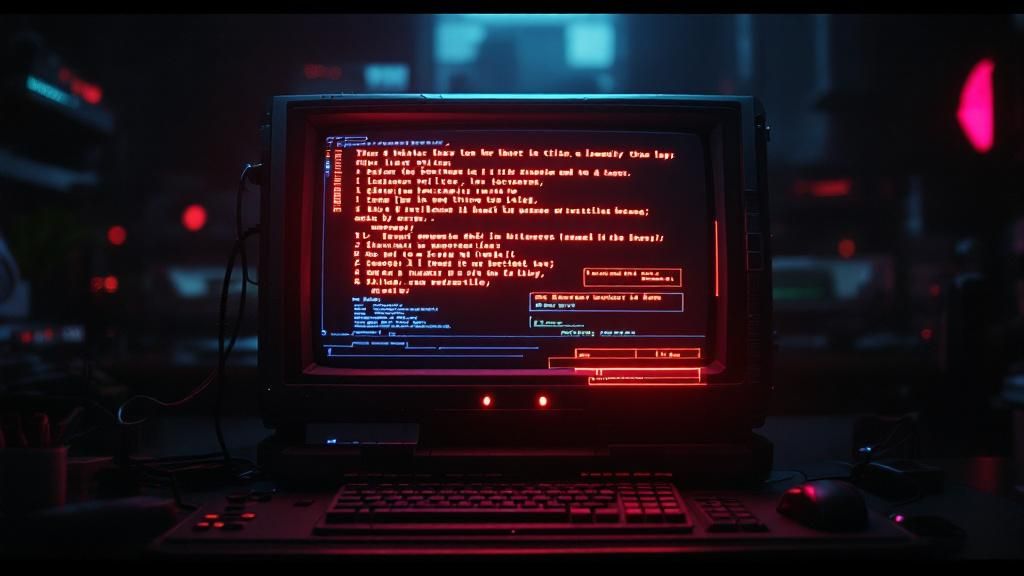
A unusual combination of classic adventure games and supernatural dread is launching in Witchhunter.exe, an upcoming indie title that channels the look and feel of traditional Gold Box RPGs whilst blending in disturbing otherworldly components. The game casts players as a witch hunter from Salem responsible for questioning a collection of female suspects to determine which among them has made a pact with the Devil. What sets Witchhunter.exe apart is its unique take on horror: the Devil himself takes the form of pop-up windows breaching the in-game system, producing a “ghost-in-the-machine” aesthetic that merges narrative and system malfunction. The title pairs text-driven combat encounters with branching narrative choices, promising an sensation that seems genuinely retro whilst preserving modern horror aesthetics.
A Wistful Journey Into Online Terror
Witchhunter.exe’s visual presentation intentionally channels the classic era of classic computer RPGs, borrowing extensively from the aesthetic of iconic Gold Box games that defined dungeon-crawling adventures throughout the 1980s and early 1990s. This nostalgic approach functions as considerably more than just nostalgia; it functions as the perfect vessel for the game’s horror ambitions. By wrapping unsettling supernatural themes in a reassuringly recognizable interface, the developers create mental unease that causes the Devil’s intrusions appear especially jarring and intrusive. The juxtaposition of innocent retro gaming visuals with truly unsettling material creates unease that contemporary horror titles often fail to accomplish.
The game’s thematic inspiration pulls heavily from traditional British horror films, particularly the exploitation and supernatural films that defined 1970s exploitation cinema. References to cult horror films like Witch Hunter General and The Blood on Satan’s Claw indicate a developer deeply versed in folk horror conventions. This cultural foundation provides Witchhunter.exe a sense of purpose beyond mere gimmickry. Rather than simply chasing shock value, the game seems dedicated to exploring genuine historical anxieties around witchcraft accusations and religious panic, viewed through a digital perspective that seems contemporary and unsettling equally.
- Text-driven combat demanding players to choose or enter correct answers
- Devil appears as popup dialogs interrupting the gameplay screen
- Choose-your-own-adventure mechanics shape interrogation outcomes
- Beta playtest accessible with full development monitored on Steam
Interrogation Mechanics Encounter Supernatural Interference
At its core, Witchhunter.exe challenges players to work through a ethically unclear interrogation scenario where establishing culpability demands close attention and deliberate choices. The game casts you as a witch hunter charged with interrogating a group of women, compelling you to weigh evidence and testimony whilst deciding who genuinely consorts with infernal powers. This premise draws on genuine historical horror—the witch persecutions of Salem and comparable historical injustices represent some of our species’ most terrible periods. The interactive systems convert this grim subject matter into engaging psychological pressure, where your choices carry weight and consequences.
The combat system cleverly combines word-based problem-solving with time-pressured decision-making. Players must either type the right answer or choose from a given list before facing supernatural consequences. This mechanics-driven approach transforms what could be a linear story experience into something demanding active participation and rapid decision-making. The emphasis on word choice seems especially fitting for a game involving accusations and interrogation, where language itself becomes a weapon. Success depends not on reflexes alone but on understanding context, reading situations carefully, and responding appropriately under duress.
Hidden in the Details
What truly makes unique Witchhunter.exe from traditional adventure games is the Devil’s persistent presence as a destabilising influence within the game’s interface itself. Rather than existing as a traditional antagonist, the Devil manifests through unexpected pop-ups and operating system interference, creating a ghost-in-the-machine aesthetic that feels truly disturbing. This approach converts your display into battleground, where the line separating game from OS blurs disturbingly. The supernatural becomes not just thematically significant but foundational, radically changing how players experience the game world.
This psychological horror device contributes to emotional complexity to the gameplay, playing on contemporary concerns about cybersecurity and system integrity. By positioning the Devil as an corrupting force corrupting your computer from within, the developers leverage modern worries about malware and infected devices. The approach mirrors games like Pony Island, which likewise exploited the player’s expectations about digital boundaries. However, whether this method ultimately enhances or detracts from the central hunting storyline is yet to be determined once the testing phase releases.
- Pop-up windows interrupt gameplay with demonic messages and threats
- System-level glitches create atmosphere of digital contamination
- Interface corruption functions as graphic representation of paranormal activity
Aesthetic Influence Drawn From Classic Horror Films
Witchhunter.exe draws heavily from a deep legacy of British and European horror cinema, notably the witch-hunting narratives that characterized exploitation and Gothic horror during the 1960s and 1970s. The game’s aesthetic and thematic approach directly evokes films like Witch Hunter General, The Blood on Satan’s Claw, and Cry of the Banshee—atmospheric period pieces that converted historical paranoia into visceral film. This stylistic lineage is additionally strengthened by the legacy of Hammer Horror pictures, those iconic British films featuring iconic performers such as Peter Cushing and Christopher Lee. By placing itself within this cinematic legacy, Witchhunter.exe signals its commitment to genuine horror atmosphere instead of cheap scares.
The decision to embrace retro aesthetics—blending the visual style of classic Gold Box tabletop RPGs with the thematic darkness of period horror cinema—creates a singular amalgamation that registers as both wistful and deliberately anachronistic. This temporal displacement serves the game well, enabling it to comment on the witch hunts of history whilst also conjuring the lurid movie productions that dramatised these events. The upshot is a project that values its sources of inspiration without just replicating them, instead employing historically fitting creative decisions to deepen immersion in a world where dread and belief in the supernatural compel awful choices. The creators’ clear familiarity with these creative references suggests a endeavour made with sincere dedication for the form.
| Horror Influence | Stylistic Element |
|---|---|
| Witch Hunter General | Period-accurate witch-hunting narrative and rural Gothic atmosphere |
| The Blood on Satan’s Claw | Folk horror aesthetics and supernatural dread in isolated communities |
| Hammer Horror Productions | Dramatic lighting, aristocratic villainy, and psychological tension |
| Gold Box D&D Games | Text-based interface design and retro computer presentation |
Crossing the Fourth Wall and Player Expectations
Witchhunter.exe’s incorporation of horror-themed digital features—particularly the Devil manifesting as pop-up boxes that suggest system infiltration—presents an fascinating artistic decision that simultaneously raises questions about modern gaming norms. The digital haunting style has grown more common in independent game development, where creators use glitches, corrupted interfaces, and breaking narrative frames to unsettle players. Whilst this approach can be genuinely disturbing when executed with subtlety, the strategy risks feeling excessive when used too frequently. The game’s success may ultimately depend on restraint; a delicate balance between preserving engagement with the witch-hunt storyline and using supernatural interference sparingly enough to maintain authentic impact.
The meta-gaming trend has become well-entrenched that viewers now encounter such titles with heightened expectations and, inevitably, diminished surprise. Players familiar with titles like Pony Island and analogous self-referential works arrive ready for deception, anticipating hidden layers beneath surface-level gameplay. This audience sophistication creates a creative challenge for developers: how to deploy familiar tropes in innovative manners without depleting the concept entirely. For Witchhunter.exe, the historical setting and historically-grounded presentation might offer adequate differentiation to distinguish it from contemporaries, though the effectiveness of this distinction remains uncertain until the beta playtest arrives.
The Proliferation of Meta-Game Strategies
The growth of corrupted-system horror has transformed what once felt revolutionary into familiar territory. Games that challenge player agency have become sufficiently widespread that audiences now expect such twists as standard features rather than true revelations. This market flooding raises legitimate concerns about whether meta-gaming can sustain its emotional impact, or whether the narrative boundary has been breached so frequently that reconstructing narrative immersion requires progressively intricate rationales.
- Ghost-themed simulation narratives have emerged as an well-defined indie gaming category with conventional design structures.
- Fourth-wall breaking mechanics now operate as audience expectations rather than surprising twists.
- Developers confront growing demands to develop new ideas within well-established meta-narrative conventions and familiar tropes.
What Awaits Witchhunter.exe
The upcoming beta playtest constitutes a critical moment for Witchhunter.exe’s creation, offering developers the chance to gauge player reception to its distinctive blend of retro adventure aesthetics and digital horror. This playtest period will be especially valuable in establishing whether the game’s historically-grounded setting and Salem witch-hunt narrative successfully differentiate it from the crowded field of meta-gaming titles. Early responses from players will probably shape how aggressively the developers deploy the Devil’s pop-up interference, possibly influencing decisions about pacing and frequency of supernatural interruptions throughout the final release.
As the project moves forward towards complete release, Witchhunter.exe’s prospects will hinge upon whether its creators can navigate the delicate balance between respecting classic choose-your-own-adventure conventions and delivering genuine surprises within a self-referential gaming framework. The game’s interrogation-based combat system, requiring players to input or choose particular phrases before facing consequences, shows promise for engaging mechanical depth. With ongoing creative backing evident in its Steam listing, Witchhunter.exe appears positioned to establish its own identity within the indie gaming landscape, provided it realises its ambitious vision with sufficient restraint and creativity.
