
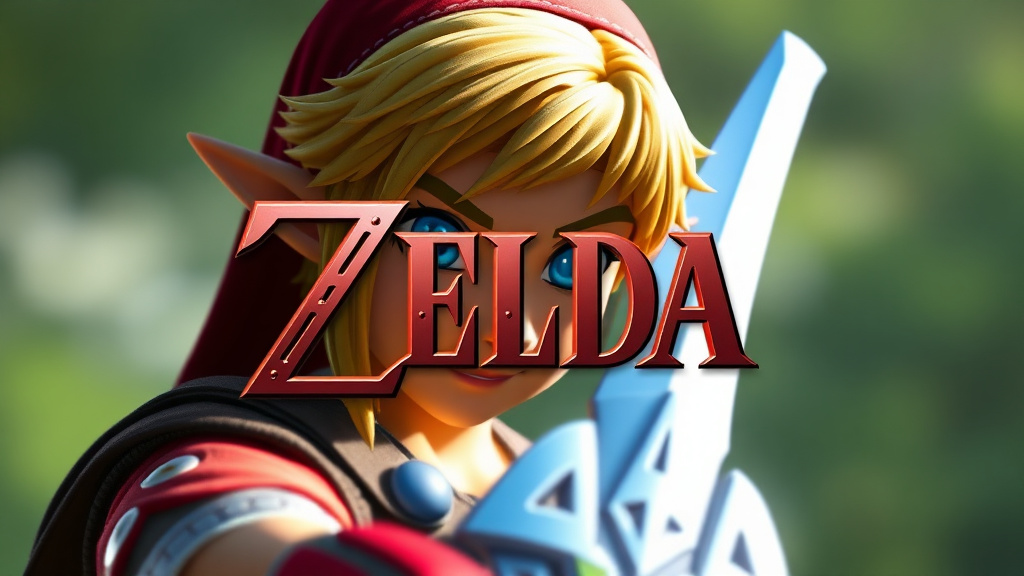
Since its debut in 1986, The Legend of Zelda franchise has transformed adventure gaming, establishing benchmarks that keep on influence developers worldwide. From introducing non-linear exploration to crafting intricate puzzle design and engaging narratives, Nintendo’s iconic series has continually advanced creative boundaries. This article examines how Zelda games have shaped the industry, investigating key advancements across generations and analyzing why the franchise remains a pinnacle for adventure gaming excellence.
Innovative Game Mechanics
The Legend of Zelda collection reshaped how action-adventure titles approach player interaction and world exploration. By implementing non-linear gameplay elements, the series allowed players to tackle objectives in varied sequences, creating unparalleled liberty within structured narratives. This innovative approach questioned industry conventions that centered around fixed sequential advancement. The franchise’s commitment to responsive input and fluid gameplay set new standards for accessibility, enabling both casual and hardcore gamers to engage meaningfully with complex environments and sophisticated challenges that shaped the adventure gaming genre.
Zelda’s puzzle design philosophy represents another pillar of its transformative impact on gaming. Rather than separating puzzles from the environment, the series blended puzzles into dungeon architecture and environmental settings, requiring players to observe and experiment with creative thinking. This holistic approach to game design inspired countless developers to rethink their methodology. The franchise showed that puzzles can strengthen narrative immersion rather than interrupt the flow of gameplay. By merging environmental storytelling with innovative mechanics, Zelda created a model for adventure gaming that emphasizes player agency, intellectual engagement, and seamless integration between exploration, combat, and puzzle-solving elements.
Immersive Environment Design and Discovery
The Legend of Zelda franchise has repeatedly demonstrated mastery in building sprawling, richly detailed worlds that invite players to explore at their own pace. From the vast landscapes of Hyrule in Breath of the Wild to the connected underground networks of Ocarina of Time, each game offers spaces designed with precise attention to design. These worlds foster exploration and reward exploration through hidden secrets, optional side quests, and environmental storytelling that converts passive viewing into engaged exploration.
Nintendo’s method for world design emphasizes player agency and freedom, allowing adventurers to address objectives in non-linear sequences while preserving narrative coherence. The franchise established environmental puzzle-solving, where terrain and natural obstacles become integral to gameplay challenges. This philosophy extends beyond combat and dungeon exploration, integrating climbing mechanics, weather systems, and living environments that make each region seem truly vibrant, establishing a framework that modern adventure games keep following and expanding on.
Cultural Influence and Heritage
The Legend of Zelda series has evolved beyond gaming to establish itself as a cultural phenomenon that influences entertainment outside the digital realm. The series’ famous hero, Link, ranks among gaming’s most famous characters, present across merchandise, theme park attractions, and mainstream media. Nintendo’s dedication to excellence and creativity has fostered a passionate worldwide audience spanning multiple generations, making Zelda a cornerstone of gaming history and a standard for creative excellence in interactive media.
Each Zelda installment has set benchmarks that rivals strive to emulate, from Ocarina of Time’s groundbreaking 3D adventure design to Breath of the Wild’s open-world philosophy. These games have influenced countless developers to prioritize player agency, environmental storytelling, and creative problem-solving. The series’ ability to evolve while maintaining core identity demonstrates how acclaimed franchises evolve, shaping design approaches across various game genres including action-adventure, RPG, and puzzle worldwide.
The sustained legacy of The Legend of Zelda influences how modern games tackle world-building and narrative integration. By expertly integrating gameplay mechanics with narrative themes, Zelda games have elevated player expectations for interactive storytelling. This influence remains instrumental in industry standards, proving that the franchise’s innovations remain relevant decades after their debut, cementing Zelda’s position as gaming’s most influential adventure series.
